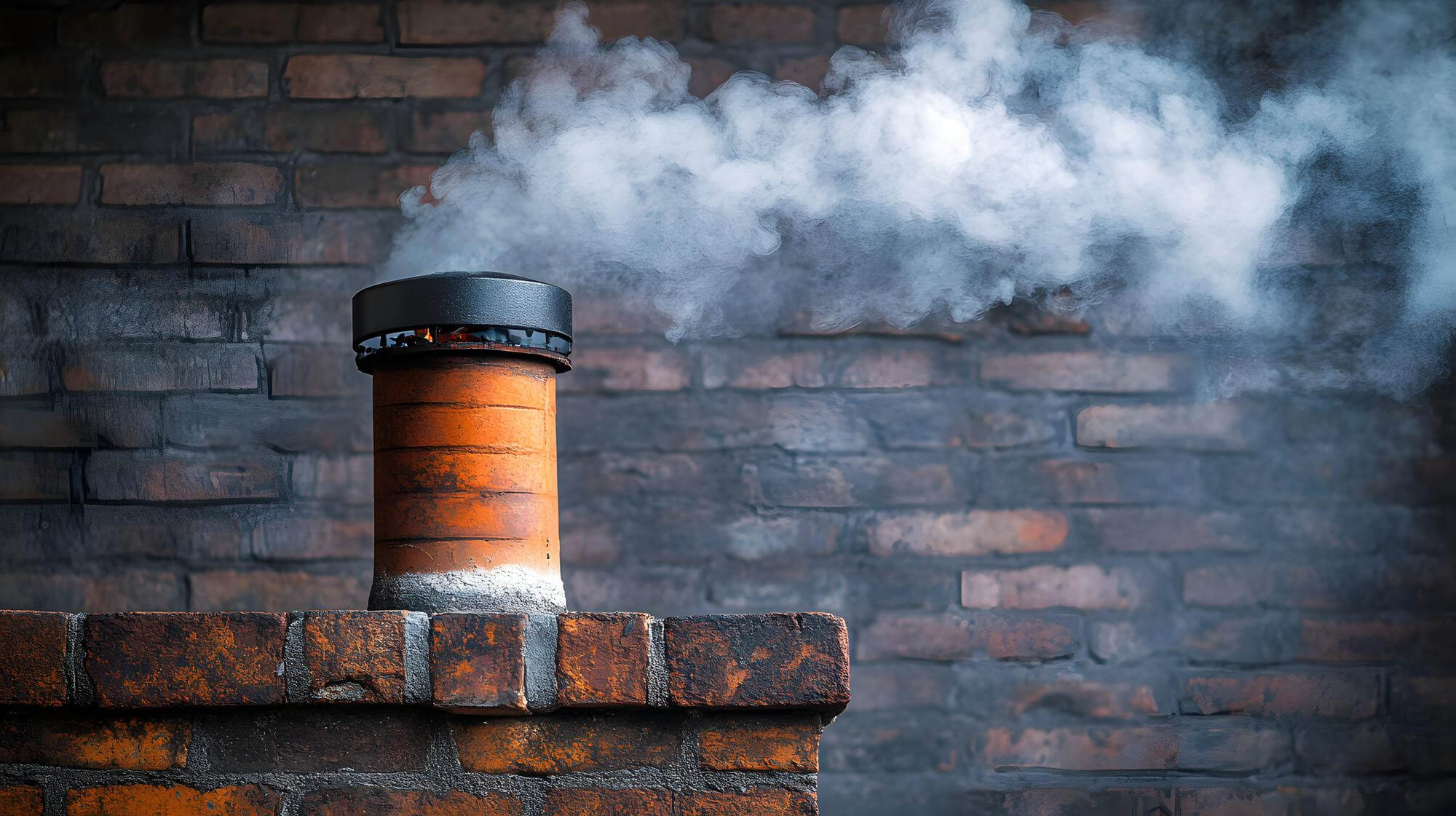
Chimney drafting plays an important role in keeping your fireplace operating efficiently and directing smoke and combustion gases safely outside your home. When the draft is weak or airflow moves in the wrong direction, you may notice smoke entering your living room, difficulty keeping a fire burning, or unpleasant odors around the fireplace.
Understanding how ey draftichimnng works can help homeowners recognize common problems and know when professional attention may be necessary. In this guide, we explain seven common causes of poor chimney draft, how they affect fireplace performance, and what you can do to address them.
What Is Chimney Drafting?
Chimney drafting is the natural movement of air and combustion gases through a chimney. As a fire heats the air inside the flue, the warmer gases rise and escape through the chimney opening. This movement creates a pressure difference that draws additional air toward the fire and helps carry smoke outdoors.
When this process works correctly, your fireplace can release smoke through the flue instead of allowing it to enter your home. However, blockages, pressure imbalances, cold air, and chimney design issues can interfere with normal airflow.
7 Common Causes of Poor Chimney Drafting
1. A Blocked Chimney Flue
A blockage is one possible reason your chimney is not drawing smoke effectively. Leaves, twigs, animal nests, and accumulated creosote can restrict the passage of air through the flue.
When airflow is restricted, smoke may back up into your home, and your fireplace may not perform as expected. If you suspect a blockage, avoid using the fireplace until it has been inspected.
A professional chimney inspection can help identify obstructions, buildup, and other conditions affecting chimney drafting.
2. A Cold Chimney
A chimney that has not been used for a while may contain a column of cold, dense air. When you light a fire, the warm air may initially struggle to move upward through the flue, allowing smoke to spill into the room.
This problem can be more noticeable during colder weather. If the smoke continues entering your living space after the fire has warmed the chimney, another airflow issue may be present.
Persistent smoke problems should be evaluated rather than treated as a normal part of starting a fire.
3. Negative Air Pressure in Your Home
Your fireplace needs an adequate supply of air to support combustion. Kitchen exhaust fans, bathroom fans, clothes dryers, and tightly sealed windows can affect indoor air pressure by removing air from the house.
If the pressure inside your home becomes lower than the pressure outside, air may be pulled down the chimney instead of rising. This can lead to downdrafts and smoke entering the room.
If you notice the problem when exhaust fans are operating, insufficient makeup air may be contributing to the issue. A professional can assess the airflow and recommend a suitable solution.
4. Wind and Weather Conditions
Wind can influence chimney drafting by creating pressure differences around the chimney opening. Depending on the wind direction, roof shape, and nearby structures, airflow may become inconsistent or reverse temporarily.
You might notice that your fireplace works properly on calm days but produces smoke when the wind is strong. Changes in outdoor temperature can also influence draft performance.
If weather-related downdrafts happen frequently, a chimney professional can evaluate the chimney height, cap, roofline, and surrounding obstructions.
5. Incorrect Chimney Height or Flue Size
Chimney dimensions affect how efficiently smoke travels upward. A chimney that is too short for its surroundings may experience airflow interference from nearby roof sections, trees, or buildings.
An incorrectly sized flue can also affect draft strength. If the flue is not appropriately matched to the fireplace or heating appliance, smoke may not move through the chimney as intended.
These issues may require a professional assessment to determine whether changes to the chimney system are appropriate.
6. A Damper That Is Closed or Partially Open
The fireplace damper controls airflow through the chimney when the fireplace is not in use. If the damper is closed or does not open fully, it can restrict the path smoke needs to follow.
Before lighting a fire, confirm that the damper is fully open and operating according to the fireplace manufacturer’s instructions. If it is stuck, damaged, or difficult to move, do not force it.
A technician can inspect the damper and determine whether adjustment or repair is necessary.
7. Creosote Buildup and Poor Maintenance
Creosote is a combustible deposit produced when wood burns. It can accumulate inside the chimney over time, restricting airflow and increasing the risk of a chimney fire.
Regular inspections help identify creosote buildup, obstructions, and damage before they create more serious problems. The appropriate cleaning schedule depends on fireplace usage, fuel type, and the chimney’s condition.
If you suspect significant buildup or notice persistent smoke entering your home, stop using the fireplace until it has been assessed.
How Can You Improve Chimney Drafting?
The right solution depends on what is causing the problem. Start by checking that the damper is open and paying attention to when the smoke issue occurs. For example, note whether it happens only when the fireplace is first lit, during windy weather, or while exhaust fans are running.
Do not attempt to clear an unknown obstruction or use improvised methods to force smoke up the chimney. If smoke repeatedly enters your home, stop using the fireplace and arrange a professional inspection.
A qualified chimney technician can assess the flue, check for creosote and debris, examine the chimney cap and structure, and investigate possible pressure or sizing issues. Depending on the findings, the solution may involve cleaning, repairs, or changes to the chimney system.
For problems involving damaged masonry or chimney components, explore professional chimney repair services.
When Should You Call a Chimney Professional?
Professional assistance is recommended when smoke repeatedly enters your living space, your fireplace struggles to maintain a fire, you suspect a blockage, or you notice persistent and unusual chimney odors.
These symptoms can have several causes, so identifying the underlying issue is important. A professional inspection can help determine whether cleaning, repairs, or further evaluation is needed.
If a carbon monoxide alarm sounds, leave the building immediately and contact emergency services from a safe location. Carbon monoxide is odorless and potentially fatal, so never rely on smell to determine whether your home is safe.
Homeowners in Taunton, MA, and nearby communities can contact Bob’s Chimney to discuss chimney concerns and arrange an appropriate evaluation.
Frequently Asked Questions About Chimney Drafting
Why does my fireplace smoke when I light a fire?
A cold flue, restricted airflow, negative air pressure, or a blockage may prevent smoke from rising properly. If smoke continues entering your home, stop using the fireplace and have it inspected.
Can a dirty chimney affect chimney drafting?
Yes. Creosote and debris can restrict the flue and interfere with airflow. An inspection can help determine whether chimney cleaning is needed.
Can opening a window improve chimney draft?
In some homes, temporarily opening a nearby window may help indicate whether insufficient makeup air is contributing to the problem. However, this is not a universal solution, and persistent draft problems need further evaluation.
Is poor chimney drafting dangerous?
It can be. Smoke entering the home may expose occupants to harmful combustion products, while creosote buildup and blockages can create additional hazards. Repeated smoke spillage should not be ignored.
Get Professional Help With Chimney Drafting Problems
Chimney drafting depends on several factors, including airflow, flue condition, chimney dimensions, indoor air pressure, and weather. Identifying the cause of poor draft can help you determine the right next step and reduce potential safety risks.
If you are experiencing chimney draft problems in Taunton, MA, or the surrounding area, contact Bob’s Chimney to discuss your concerns and arrange a professional evaluation.