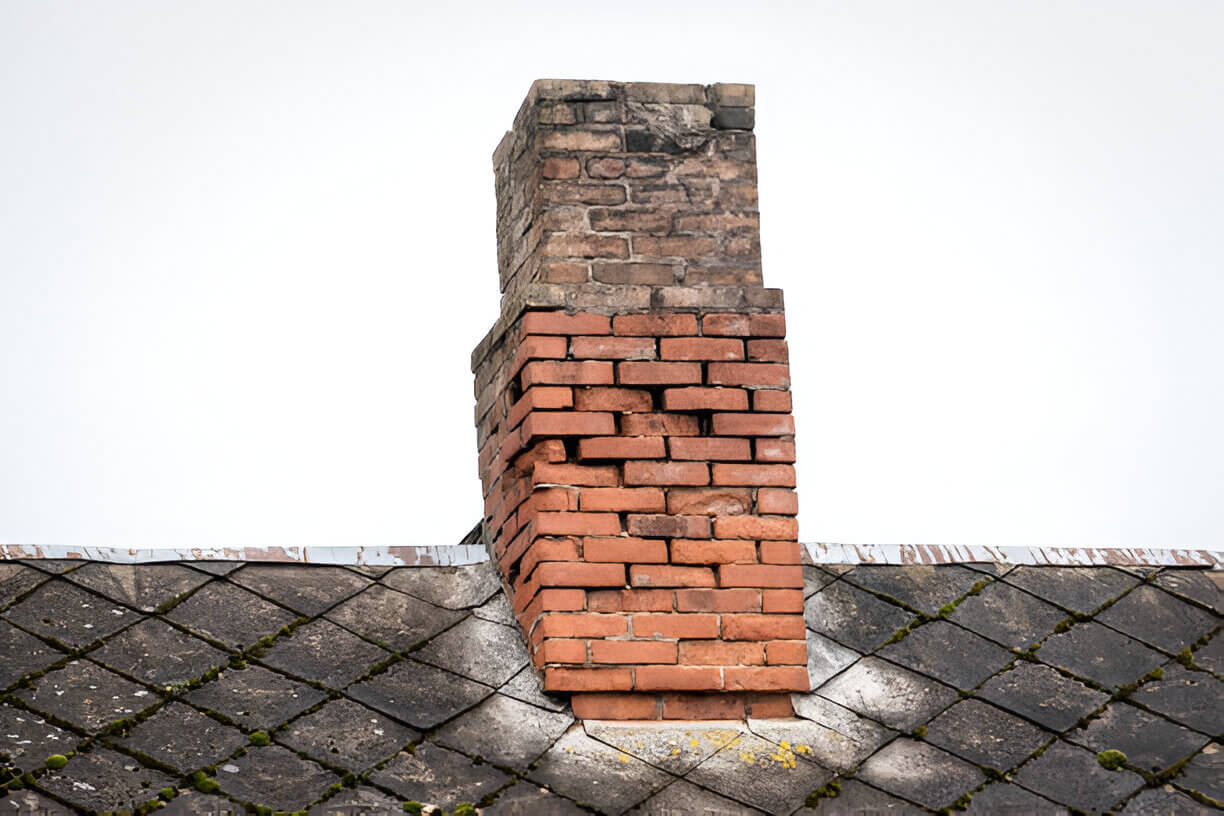
Rain entering your chimney may seem like a minor issue at first, but repeated moisture exposure can affect masonry, metal components, and other parts of the chimney system. For homeowners in Taunton, MA, seasonal rain, snow, and changing temperatures can make chimney moisture problems especially frustrating.
If you have noticed water around your fireplace, damp chimney masonry, musty odors, or visible staining after a storm, it is worth finding out where the moisture is coming from. In many cases, the problem can be related to the chimney cap, crown, flashing, masonry, or another component.
Understanding the common causes can help you recognize the problem early and determine when professional chimney maintenance is appropriate.
1. A Missing or Damaged Chimney Cap
The chimney opening is directly exposed to outdoor weather when it does not have a properly fitted cap. Rain can enter through the flue, while leaves, twigs, and other debris may also collect inside.
A damaged chimney cap can create a similar problem. Cracks, corrosion, loose sections, or gaps around the cap may allow water to reach areas that should remain protected.
If your chimney does not have a cap or the existing one has deteriorated, professional chimney cap installation in Taunton, MA can help provide the appropriate protection for the chimney opening.
2. Cracks or Deterioration in the Chimney Crown
The chimney crown sits at the top of a masonry chimney and helps direct water away from the structure. When the crown develops cracks, gaps, or areas of deterioration, rainwater can find its way into the masonry.
Freeze-thaw cycles can make existing cracks worse. Water enters small openings, freezes when temperatures drop, and expands. Repeated cycles can contribute to further deterioration.
If you can see cracks in the crown or notice water-related staining near the upper portion of the chimney, a professional evaluation can help determine whether the crown needs repair.
3. Damaged Chimney Flashing
Flashing forms a weather-resistant transition where the chimney meets the roof. If the flashing is loose, damaged, corroded, or improperly sealed, water can enter around the base of the chimney.
This type of leak can sometimes be difficult to identify because the water may travel through the roof or surrounding construction before becoming visible inside the home.
If moisture appears around the ceiling or walls near the chimney, the source may not be the flue itself. The roof-to-chimney connection should also be considered during an inspection.
4. Deteriorating Mortar Joints
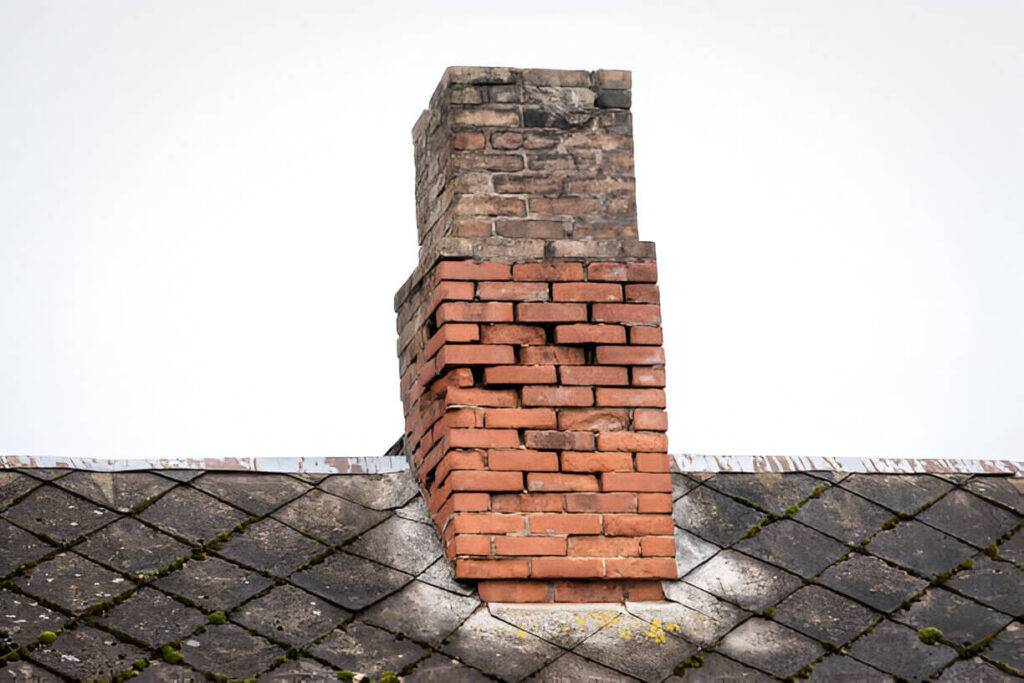
Masonry chimneys are exposed to rain, snow, wind, and temperature changes throughout the year. Over time, mortar joints can deteriorate and develop gaps.
Once the joints become damaged, moisture can penetrate deeper into the masonry. Continued exposure may contribute to loose bricks, staining, cracking, and other signs of deterioration.
Taunton homeowners with older masonry chimneys should pay attention to crumbling mortar or visibly damaged joints, particularly after periods of heavy precipitation.
5. Cracked or Damaged Chimney Masonry
Bricks can absorb moisture, especially when the protective components around the chimney are no longer performing properly. Cracked, spalled, or deteriorating bricks can allow water to penetrate the chimney structure.
You may notice white staining, dark discoloration, crumbling surfaces, or loose masonry. These signs should not be ignored because moisture-related deterioration can become more extensive over time.
The source of the water should be identified before individual bricks are repaired. Otherwise, the same moisture problem may continue affecting the chimney after the visible damage has been addressed.
6. Problems With the Chimney Liner
The chimney liner is an important part of the chimney system, but it is not designed to serve as the primary exterior weather barrier. If water is reaching the interior of the chimney, other components may need to be checked first.
Moisture inside the chimney can affect certain metal components and contribute to deterioration depending on the chimney’s construction and condition.
If you suspect that moisture has reached the flue or liner, a professional chimney inspection can help determine what is happening and whether additional repairs are necessary.
7. Poorly Sealed or Aging Components
Chimneys consist of multiple components that work together to protect the structure and direct combustion gases safely outside. As these components age, seals can deteriorate and connections can become less effective.
A chimney may therefore experience water intrusion from more than one location. For example, an aging cap combined with damaged masonry can create several potential entry points for moisture.
This is why simply sealing the most obvious crack may not always solve a recurring leak.
How Can You Tell If Rain Is Entering Your Chimney?
Water does not always appear as an obvious puddle inside the fireplace. Some signs can be subtle and may become noticeable only after significant rainfall.
Watch for:
- Damp or discolored areas around the fireplace
- Water staining on the ceiling or walls
- Musty odors coming from the chimney
- White deposits on masonry
- Crumbling bricks or mortar
- Rust or corrosion on metal components
- Water appearing after heavy rain
- Damaged or missing chimney cap components
- Visible cracks around the chimney crown
If the problem appears repeatedly after storms, documenting when the moisture occurs can also help a professional identify possible entry points.
Why Taunton Weather Can Make Chimney Moisture Problems Worse
Chimneys are exposed to the weather year-round. Rain and snow can introduce moisture, while temperature fluctuations can contribute to repeated expansion and contraction of masonry and other materials.
For homeowners in Taunton, regular observation of the chimney can help catch visible problems before they become more extensive. A chimney that looks fine from the ground may still have issues around the crown, flashing, cap, or upper masonry.
Seasonal maintenance is particularly useful when you notice changes after storms or before periods when you expect to use your fireplace more frequently.
What Should You Do If Rain Is Getting Into Your Chimney?
The first step is to determine where the water is entering and why. Replacing a chimney cap will not necessarily solve a leak caused by damaged flashing or a cracked crown.
A professional assessment can help identify the affected components and determine what type of repair is appropriate. Depending on the condition of the chimney, the solution may involve cap replacement, crown repair, masonry work, flashing repair, or another service.
If you are dealing with recurring moisture, professional chimney services in Taunton, MA can help evaluate the condition of the system and identify potential sources of water intrusion.
How to Help Prevent Future Chimney Water Problems
Preventing every moisture issue is not always possible, but regular maintenance can help reduce the likelihood of serious deterioration.
Homeowners can:
- Check the chimney cap for visible damage.
- Look for cracks in exposed masonry.
- Watch for deteriorating mortar joints.
- Check for staining after heavy rainfall.
- Have the chimney inspected when problems are suspected.
- Address small masonry or flashing problems before they worsen.
- Keep track of recurring water intrusion.
The goal is not simply to remove water after it enters the home. It is to identify the component allowing moisture inside and address the underlying problem.
Final Thoughts
Rain entering your chimney can originate from several areas, including a damaged chimney cap, cracked crown, deteriorating masonry, faulty flashing, or aging components. Finding the actual source is important because treating only the visible water stain may not resolve the underlying issue.
If you notice moisture around your fireplace or chimney after rainfall, consider having the system evaluated before the damage becomes more extensive. Proper maintenance and timely repairs can help protect your chimney and the surrounding areas of your home.
For Taunton homeowners, addressing chimney moisture early can make ongoing maintenance easier and help preserve the condition of the chimney for years to come.
Need Help With a Leaking Chimney in Taunton, MA?
If rain is getting into your chimney, contact Bob’s Chimney to discuss the problem and determine the next step.
Call (774) 530-0955 or Get a Quote today.