Winter weather can take a toll on your chimney, especially the cap that helps protect the flue from rain, snow, debris, and animals. For homeowners in Taunton, MA, freezing temperatures, ice buildup, and strong winter winds can contribute to chimney cap damage over time. Understanding these problems can help you identify warning signs early and determine when professional repairs or replacement may be necessary.
Why Is a Chimney Cap Important During Winter?
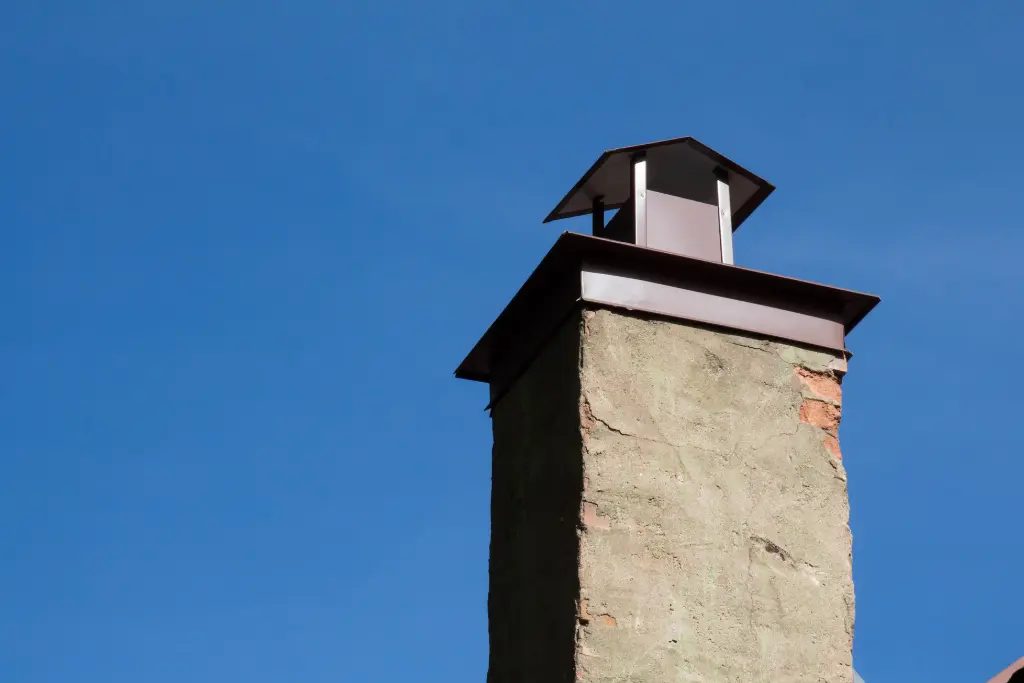
A chimney cap sits at the top of the chimney and helps prevent precipitation, leaves, twigs, and animals from entering the flue. Depending on its design, it may also include a mesh screen that helps keep birds and other wildlife out.
During winter, a properly installed chimney cap can help reduce direct water entry into the chimney. This matters because moisture can damage masonry, contribute to rust on metal components, and worsen existing cracks when temperatures fluctuate.
If your chimney cap is loose, corroded, or missing, consider arranging an inspection. Bob’s Chimney provides chimney cap installation in Taunton, MA to help homeowners address damaged or missing caps.
5 Ways Winter Weather Can Damage Your Chimney Cap
1. Freezing Temperatures Can Worsen Existing Damage
Cold temperatures can make existing chimney problems more noticeable. If water collects around damaged joints, fasteners, or corroded sections of a chimney cap, repeated freezing and thawing may contribute to further deterioration.
The metal cap itself may not necessarily crack simply because temperatures drop. However, weakened components, damaged connections, and moisture around the surrounding masonry can become more problematic throughout the winter.
Taunton homeowners should look for visible rust, loose connections, bent metal, or signs that the cap is no longer sitting securely on the chimney.
2. Snow and Ice Can Put Pressure on Chimney Components
Snow and ice can accumulate around the top of a chimney, particularly during storms and periods of freezing weather. Depending on the chimney’s design and exposure, this buildup may place additional stress on already weakened components.
Ice can also form around damaged mortar joints or other areas where moisture collects. If the chimney cap is loose or its mounting hardware is deteriorating, winter conditions may make the problem worse.
Avoid climbing onto the roof to inspect the cap during icy weather. A professional chimney inspection is a safer way to assess damage and determine whether repairs are needed.
3. Strong Winds Can Loosen or Bend a Chimney Cap
Winter storms can bring strong gusts that put pressure on exposed rooftop components. A chimney cap with loose fasteners, deteriorated mounting points, or an improper fit may shift or become damaged during severe weather.
A loose cap may rattle during windy conditions, sit unevenly on the chimney, or leave parts of the flue exposed. In some cases, a severely damaged cap may detach entirely.
After a major winter storm, watch for changes you can safely observe from the ground. If you suspect that your cap has shifted or become detached, arrange a professional assessment rather than attempting a roof-level inspection yourself.
4. Moisture Can Lead to Rust and Corrosion
Metal chimney caps are exposed to rain, snow, temperature changes, and moisture throughout the year. Over time, these conditions can contribute to corrosion, particularly when the cap is made from a material that is less resistant to rust or when its protective finish has deteriorated.
Rust may appear as discoloration, flaking metal, weakened mesh, or deteriorating fasteners. A small area of surface corrosion does not always mean the entire cap needs replacement, but extensive rust can compromise its strength and function.
If your chimney cap shows significant corrosion, a professional can determine whether a repair is practical or whether replacing the cap would be the better option.
5. Winter Moisture Can Affect the Chimney Below the Cap
A damaged or poorly fitted cap may allow rain and melting snow to enter the chimney. However, a cap is not the only possible source of water intrusion. Cracked chimney crowns, deteriorated mortar joints, damaged flashing, and other defects can also allow moisture inside.
Water entering the chimney can contribute to staining, deteriorating masonry, rust on metal components, and damage to interior areas around the fireplace. Repeated freezing and thawing may worsen existing masonry deterioration.
If you notice dampness, water stains near the fireplace, or a persistent musty smell, have the chimney evaluated to identify the source of the moisture.
Signs Your Chimney Cap May Need Repair or Replacement
You may not be able to see every part of your chimney cap from the ground, but certain warning signs can indicate a problem.
Look out for:
Visible rust, corrosion, or flaking metal.
A cap that appears crooked, loose, bent, or missing.
Damaged or detached mesh screening.
Birds or other animals entering the chimney.
Leaves and debris collecting inside the flue.
Water stains or moisture around the fireplace.
Debris or metal pieces that appear to have fallen from the chimney.
These signs do not always mean the chimney cap is the source of the problem. An inspection can help distinguish cap damage from issues involving the chimney crown, flashing, masonry, or flue liner.
How to Protect Your Chimney Cap During Winter in Taunton, MA
You cannot prevent every form of winter damage, but routine maintenance can help identify problems before they become more extensive.
Schedule a chimney inspection. Have the chimney and its visible components checked periodically so that loose connections, corrosion, and other defects can be identified.
Address minor damage early. A loose cap or deteriorating mounting point should be evaluated before another storm places additional stress on the assembly.
Keep the chimney properly maintained. A chimney cap cannot compensate for cracked masonry, damaged flashing, or a deteriorated crown. Addressing these components helps reduce the risk of continued water intrusion.
Choose a suitable replacement cap. The replacement should fit the chimney correctly and use materials appropriate for the installation. The chimney configuration and venting requirements should be considered before selecting a new cap.
Avoid DIY roof inspections in winter. Snow, ice, and wet roofing surfaces create fall hazards. Leave roof-level assessments and repairs to qualified professionals with appropriate safety equipment.
If your chimney cap has been exposed to repeated winter storms, a professional evaluation can help you decide whether it needs repair, adjustment, or replacement.
When Should You Replace a Damaged Chimney Cap?
Replacement may be appropriate when a chimney cap has extensive corrosion, significant structural damage, missing components, or a poor fit that cannot be corrected through a suitable repair. A cap that repeatedly loosens may also need to be replaced or reinstalled correctly.
The right solution depends on the cap’s condition, material, mounting method, and compatibility with the chimney. Replacing a damaged cap without investigating the underlying issue may not resolve water intrusion if the chimney crown, flashing, or masonry is also defective.
Bob’s Chimney can help Taunton homeowners evaluate chimney cap concerns and determine the next steps. Learn more about our chimney services in Taunton, MA.
Protect Your Chimney Before the Next Winter Storm
A chimney cap helps keep unwanted moisture, debris, and animals out of your chimney, but winter conditions can expose existing weaknesses. Checking for corrosion, loose connections, and signs of water intrusion can help you recognize when professional attention is needed.
If you suspect winter damage to your chimney cap, contact Bob’s Chimney to discuss an inspection or replacement. Call (774) 530-0955 or request a quote online to get started.