
Bob’s Chimney
Chimney Draft Issues in Taunton, MA
A chimney should carry smoke and combustion gases safely out of your home. When airflow is disrupted, you may notice smoke entering the room, difficulty starting a fire, or cold air coming through the fireplace. Bob’s Chimney helps homeowners address chimney draft issues in Taunton, MA, by identifying potential causes and recommending appropriate solutions.
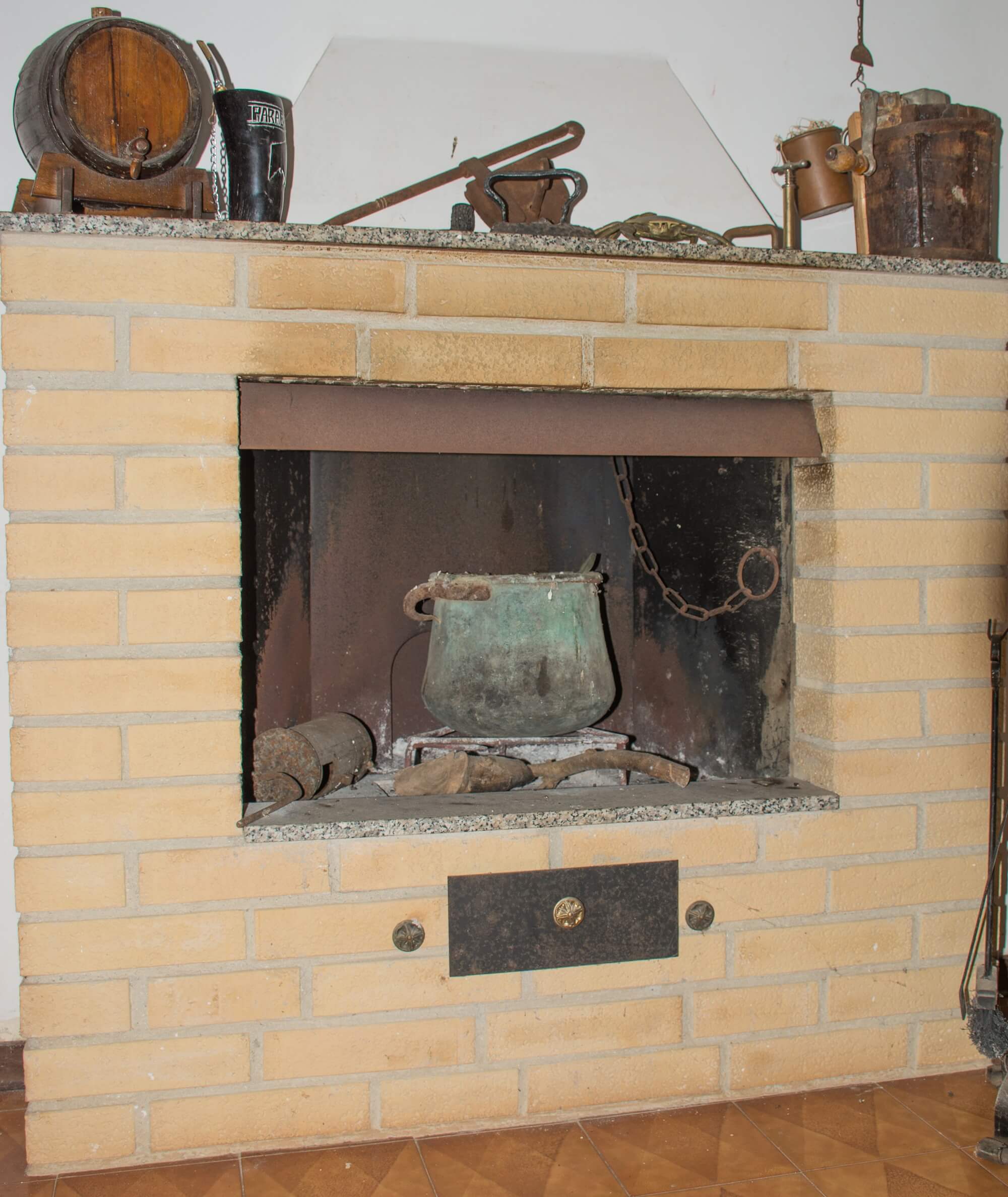
Reliable Solutions for Chimney Draft Problems in Taunton
A chimney draft is the movement of air and combustion gases through the flue and out of the chimney. Proper airflow helps a fireplace or heating appliance vent as intended. When that airflow is restricted or reversed, smoke may spill into your living space, fires may burn poorly, and your heating system may not operate as expected.
Draft problems can develop for several reasons, including creosote buildup, a blocked flue, an improperly sized liner, negative air pressure, or a chimney that struggles to establish draft when cold. The cause is not always obvious from the fireplace opening alone.
At Bob’s Chimney, we help Taunton property owners investigate chimney draft concerns and determine which parts of the system may need attention. Depending on the findings, the solution may involve cleaning, repairing damaged components, correcting a venting issue, or evaluating the chimney liner.
If smoke repeatedly enters your room or your fireplace is difficult to use, do not ignore the warning signs
Improve Chimney Draft With Regular Inspection and Cleaning
A dirty or obstructed chimney can interfere with the movement of smoke and combustion gases. Creosote, soot, leaves, animal nesting materials, and other debris may restrict the flue and affect fireplace performance. Regular maintenance helps identify these problems before they become more serious.
An annual chimney inspection is a useful starting point for homeowners, even when the fireplace appears to be working normally. An inspection can identify visible deterioration, blockages, liner concerns, and other conditions that may contribute to poor draft. Cleaning may be recommended when deposits or debris are present.
However, cleaning alone will not resolve every draft problem. If the underlying cause is negative air pressure, a poorly configured venting system, or a damaged chimney component, additional work may be necessary.
Bob’s Chimney can help assess whether your chimney needs cleaning, repair, or further evaluation. Learn more about our chimney inspection services.

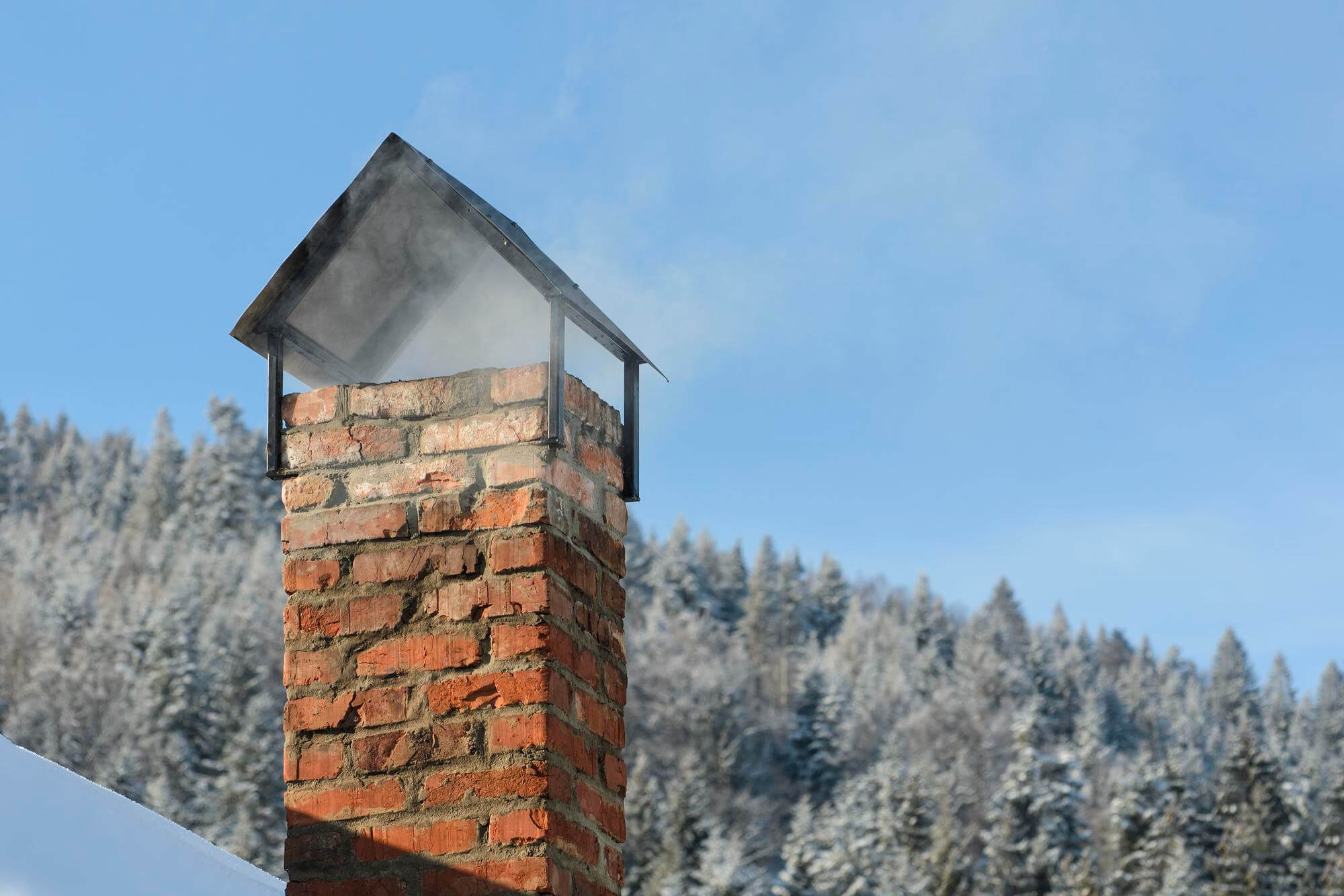
Common Chimney Draft Problems We Help Identify
01
Air Leaks and Damaged Chimney Masonry
Cracked mortar joints, deteriorated masonry, or gaps around chimney components may affect the chimney system. These defects can also allow moisture to enter and contribute to further deterioration.
The appropriate repair depends on the location and severity of the damage. An inspection can help determine whether masonry repairs or other corrective work are needed.
02
Negative Air Pressure Inside the Home
Exhaust fans, kitchen ventilation systems, clothes dryers, and tightly sealed building envelopes can influence indoor air pressure. In some homes, this pressure difference may compete with the chimney’s natural draft and cause smoke to spill back into the room.
A professional assessment can help identify whether inadequate makeup air or pressure imbalance is contributing to the problem. Any proposed ventilation changes should account for the appliance and the home’s overall ventilation requirements.
03
Incorrect Chimney Height or Flue Dimensions
A chimney’s height, flue dimensions, and configuration affect how effectively it drafts. A flue that is not appropriately sized for the connected appliance may contribute to poor performance, but height and sizing are only part of the overall picture.
Before recommending a chimney extension or changes to the venting system, a professional should evaluate the appliance specifications, chimney layout, and surrounding conditions.
04
Missing Chimney Liner
A cracked, deteriorated, blocked, or improperly sized liner may interfere with safe venting. The liner must be suitable for the connected fireplace or heating appliance and its fuel type.
Depending on the condition, the appropriate solution may involve an approved repair or a replacement liner. Bob’s Chimney also provides chimney liner installation and repair services for homeowners who need their liner evaluated.
05
Cold Chimney and Difficult Startup
Some chimneys struggle to establish an upward draft when the flue is very cold, particularly when outdoor air is significantly colder than indoor air. This can make smoke spill into the room when a fire is first started.
A cold flue is not the only possible explanation for startup problems. Blockages, pressure imbalances, and venting defects should also be considered. If the problem happens repeatedly, have the chimney assessed rather than relying on temporary fixes.
06
Damaged or Missing Chimney Cap
A damaged or missing chimney cap may allow rain, debris, and animals to enter the flue. Nesting material and accumulated debris can obstruct the passage of smoke, while water intrusion may contribute to deterioration of other chimney components.
A chimney cap should be appropriate for the chimney configuration and installed securely without interfering with venting. If you suspect cap damage, arrange an inspection to determine whether repair or replacement is needed.
07
Blocked Chimney Flue
Creosote deposits, soot, animal nests, fallen masonry, and other obstructions can restrict the flue. A blockage can interfere with proper venting and may create a serious safety concern.
Do not attempt to burn away an obstruction or continue using a fireplace when smoke is backing up into the home. Professional inspection and cleaning can help identify the blockage and determine the appropriate corrective action.
08
Fireplace Insert and Venting Problems
A fireplace insert changes the way air and combustion gases move through the existing fireplace and chimney. If the insert, connector, or liner is incorrectly configured or incompatible with the appliance, draft problems may occur.
Replacing the insert is not always necessary. The first step is to evaluate the appliance installation, liner, and venting configuration to identify the cause and determine the appropriate correction.
If you notice persistent smoke spillage, unusual odors, or difficulty maintaining a fire, call (774) 530-0955 to discuss an inspection.
Practical Ways to Support Proper Chimney Draft
The right maintenance steps depend on your fireplace and chimney, but the following practices can help reduce common draft-related problems.
01
Cracked Bricks
For wood-burning fireplaces, use dry, seasoned wood appropriate for the appliance. Wet wood produces more smoke and can contribute to creosote accumulation, which increases maintenance needs and can create a fire hazard.
02
White Stains
Arrange regular inspections and have the chimney cleaned when necessary. A clear flue helps smoke exit through the intended pathway, but other factors may still affect draft performance.
03
Rust Signs
If the fireplace struggles when exhaust fans or other ventilation equipment are operating, negative air pressure may be a factor. A professional can assess the situation and recommend suitable corrections rather than relying on a temporary adjustment.
04
Musty Smell
The chimney liner, fireplace insert, and connected appliance must be appropriately sized and compatible. If you have replaced a heating appliance or noticed a change in performance, have the venting system evaluated.
05
Smoke Blowback
A pre-season inspection can help identify obstructions, damaged components, and other issues before the fireplace sees regular use. This is especially useful if your chimney has not been inspected recently or has experienced severe weather.
06
Small Cracks
Repeatedly opening windows, adjusting dampers, or changing how you start a fire may not solve the underlying problem. Persistent draft issues deserve a proper assessment so the cause can be identified and addressed.
Why You Should Not Ignore Chimney Draft Issues
Poor chimney draft is more than an inconvenience. Smoke entering the home can expose occupants to irritating combustion byproducts, while blocked or improperly venting fuel-burning appliances can create a carbon monoxide hazard. Creosote deposits in wood-burning chimneys can also contribute to chimney fires.
Carbon monoxide is odorless and colorless, so you should never rely on smell to determine whether it is present. Install and maintain carbon monoxide alarms according to the manufacturer’s instructions and applicable local requirements.
If a carbon monoxide alarm sounds, or anyone experiences symptoms such as dizziness, headache, nausea, or confusion while an appliance is operating, leave the building and contact emergency services from a safe location. Do not use the appliance again until it has been assessed.
Addressing draft problems promptly can help protect your household and support the proper operation of your fireplace or heating system.
Chimney Draft Solutions for Taunton, MA Homeowners
If your fireplace struggles to draw smoke upward, sends smoke into the room, or allows cold air to enter your living space, the cause needs to be identified before the right solution can be selected. Draft problems can involve the flue, liner, chimney cap, appliance configuration, or indoor air pressure.
Bob’s Chimney helps homeowners in Taunton understand these issues and determine the next steps based on their chimney’s condition. Our approach focuses on identifying potential causes and recommending appropriate maintenance or repairs.
Frequently Asked Questions
Can cold weather affect chimney draft?
Yes. A cold flue can make it harder for some chimneys to establish an upward draft when a fire is first started. However, recurring smoke spillage may also indicate a blockage, pressure imbalance, or venting problem. If the issue persists, arrange a professional inspection.
What chimney size is needed for proper draft?
There is no single chimney size that suits every fireplace or heating appliance. The required flue dimensions depend on factors such as appliance specifications, fuel type, chimney height, and system design. A qualified professional can evaluate the setup and determine whether the existing configuration is appropriate.
How often should I have my chimney inspected for draft issues?
An annual inspection is a sensible baseline for most chimneys. You should also arrange an inspection if you notice smoke entering the room, difficulty starting a fire, unusual odors, visible damage, or a change in appliance performance.