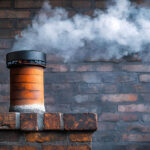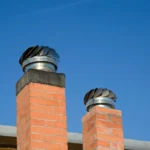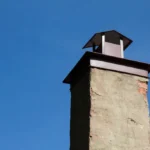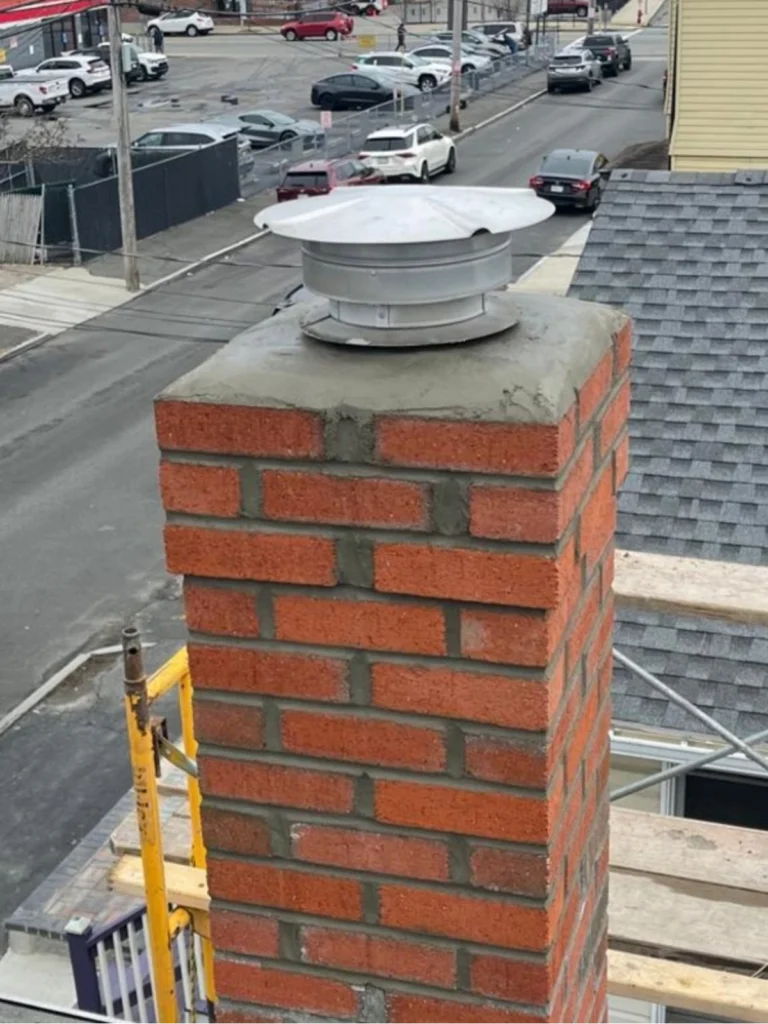
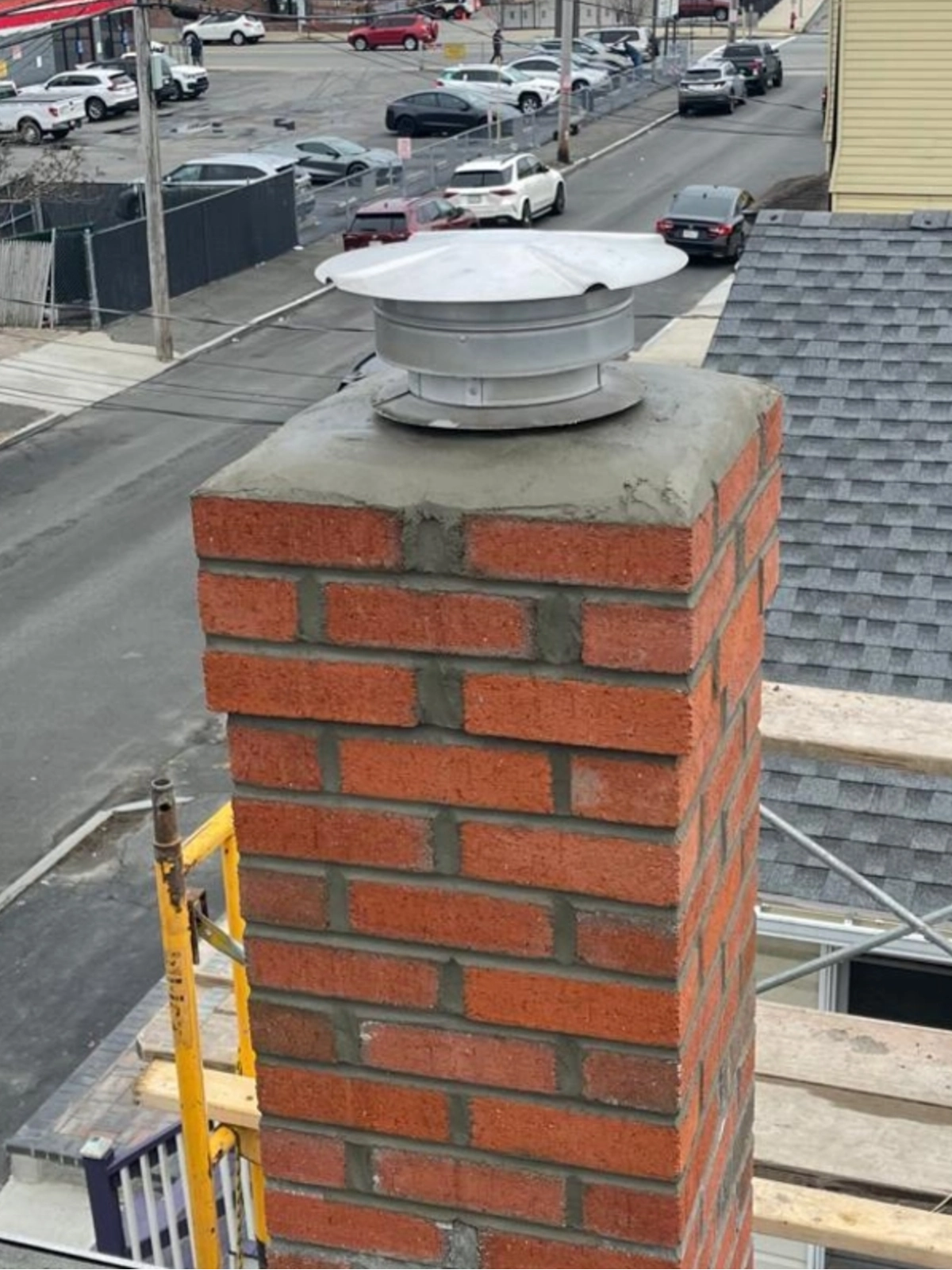
The chimney crown is the concrete slab on top of your chimney. It is your chimney’s first line of defense against rain and snow. When it cracks, water gets inside — and Massachusetts winters make a small crack grow fast.
This guide explains the warning signs of a cracked crown, how chimney crown repair works, and how to know if you should repair or replace. Fixing a crown early is one of the easiest ways to avoid major masonry work later.
What Is a Chimney Crown?
The crown covers the top of the chimney around the flue. A well-built crown does three jobs:
- Slopes water away from the flue
- Overhangs the brick so water drips off, not down the chimney face
- Seals the top of the masonry from rain, snow and ice
Chimney Crown vs. Chimney Cap
People often mix these up. The crown is the concrete or brick top of the chimney structure. The cap is a metal cover that sits over the flue opening to keep out rain and animals. You need both. If yours is missing a cap, ask about chimney cap installation.
Why Massachusetts Winters Crack Chimney Crowns
New England weather is hard on masonry. Here’s why crowns fail here:
- Freeze-thaw cycles: Water seeps into tiny cracks. It expands by about 9% when it freezes. After many cycles each winter, hairline cracks become deep gaps.
- “Mortar wash” crowns: Many older homes have a thin layer of mortar instead of a true crown. Mortar is not built to handle weather and cracks within a few years.
- No overhang or slope: A flat crown lets water pool on top and soak in.
- Age and shrinkage: Concrete shrinks as it cures and ages. Unsealed crowns crack over time.
7 Warning Signs of a Cracked Chimney Crown
Watch for these, from the ground or inside the house:
- Visible cracks, chips or crumbling on top of the chimney
- Water stains on ceilings or walls near the chimney
- Rust on the damper or inside the firebox
- White, chalky stains (efflorescence) on the bricks
- Flaking or broken brick faces (spalling)
- Moss or algae growing on the crown
- Masonry debris falling into the fireplace
Leaks can also come from failed flashing or porous brick. A pro will check all three. See our chimney flashing repair and chimney waterproofing services, or read the signs your chimney needs waterproofing.
What a Proper Chimney Crown Should Look Like
A good crown is built to shed water, not hold it. Look for these features:
- A slope that runs down and away from the flue
- An overhang of about 2 inches past the brick on every side
- A drip edge under the overhang so water falls clear of the chimney
- A flexible seal where the crown meets the flue tile
- A solid, smooth surface with no cracks, chips or gaps
If your crown is flat, flush with the brick, or made of thin mortar, it will likely fail sooner.
Should You Repair or Replace Your Chimney Crown?
Here’s the simple rule we use.
Repair is usually enough when:
- Cracks are hairline or shallow
- Damage is limited to one area
- The crown is still solid and well shaped
Replacement is the better choice when:
- Cracks run all the way through
- Large chunks of concrete are missing
- The crown is only a thin mortar wash
- Water is already reaching the inside of the chimney
Want the bigger picture? Read chimney repair vs. replacement.
The 4 Types of Chimney Crowns We Repair
Brick Crowns
We replace failed mortar joints and seal the surface so water can’t soak into the brick.
Concrete Crowns
We fill cracks and apply a flexible sealer that moves with the concrete through hot and cold seasons.
Cast-in-Place Cement Crowns
These are poured on site with a proper slope and overhang. We repair or rebuild them to shed water correctly.
Pre-Cast Crowns
These are made off site and set in place. We reseal joints and edges where water gets in.
Our Chimney Crown Repair Process
- Inspect — We start with a chimney inspection to find how deep the damage goes.
- Clean — We remove moss, algae and loose debris from the crown.
- Fill — We fill cracks with polymer-modified hydraulic cement.
- Seal — We apply a brushable crown sealer or elastomeric coating for long-term water protection.
Tip: Pair your crown check with your yearly sweep. See our Framingham chimney sweep guide for timing.
What Happens If You Wait?
A small crown crack can lead to much bigger repairs:
- Water eats away mortar joints, which then need chimney repointing
- Flue tiles crack, creating a fire risk
- Leaks damage ceilings, walls and framing
- Severe damage can require chimney rebuilding
A crown repair today is a small job compared to any of these.
Why Fall Is the Best Time to Fix Your Crown
Crown cements and sealers need dry weather and above-freezing temperatures to cure well. In Massachusetts, that window closes in late fall. Fix it now, and your chimney goes into winter sealed tight. We offer same-day appointments when our schedule allows.
Chimney Crown FAQs
How long does a chimney crown repair last?
A professional repair lasts about 10 to 15 years with yearly inspections and basic care.
Can I repair my chimney crown myself?
It’s risky. Roof work is dangerous, and regular mortar or caulk fails fast on a crown. Read DIY vs. professional chimney repair first.
How often should I have my crown inspected?
Once a year, no matter what fuel you burn. Most homeowners do it with their annual sweep.
Is a cracked crown an emergency?
Not always. But every winter makes it worse. If you see leaks or falling debris, call soon.
Schedule Your Chimney Crown Repair
Stop leaks before the next freeze. Schedule your chimney crown repair today. Call (508) 413-2788 or request service online.