Your chimney is an important part of your home. It safely carries smoke, heat, and gases outside. When it works well, you barely notice it. But if there is a problem, it can quickly become a fire or health hazard. That is why it is important to pay attention to your chimney.
The good news is that you do not need to be an expert to inspect your chimney. A simple checklist can help you spot problems early and fix minor issues before they become costly repairs. This guide explains what to look for, when to check, and what the signs mean.
Why Checking Your Chimney is Important?
Over time, chimneys collect a black, sticky layer called creosote. This forms when you burn wood and sticks in the flue. Creosote can catch fire easily. A thick buildup is one of the main reasons chimney fires happen in homes.
Chimneys can crack, leak, or become blocked. Birds, leaves, and small animals sometimes build nests inside. Bricks can come loose, and the mortar can wear away. Water can also seep in and cause gradual damage. These issues often build up quietly, and most people notice them only after damage has already occurred.
Regular chimney inspections help you find problems early. This keeps your family safe from fire and carbon monoxide, which you cannot see or smell. It also saves money because small repairs cost much less than a full rebuild.
When You Should Check Your Chimney?
It is best to find problems before you start using your fireplace, not in the middle of winter when you need it most. Here are good times to look things over:
- Check your chimney before the cold season begins. Early fall is best, so you have time to make repairs if needed.
- Look over your chimney after heavy storms. Strong winds, hail, or falling branches can crack the crown or loosen the cap.
- If you smell smoke inside. It often means something is blocking the flue or the draft is not working properly.
- If you notice more soot than usual, take a closer look. A sudden change may be a sign of a problem.
- Check your chimney at least once a year. Most safety groups recommend a full inspection annually.
If you burn a lot of wood each year, you may need to have your chimney inspected more often. More use means more creosote, which increases the risk.
Also Read: Best Time of Year to Schedule Chimney Cleaning Services
Your Chimney Inspection Checklist
Check both the inside and outside of your chimney. Take your time and write down anything unusual. If you are unsure about something, it is wise to call a professional.
Outside the House
Start by inspecting the chimney from the ground or another safe spot.
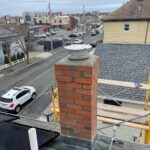
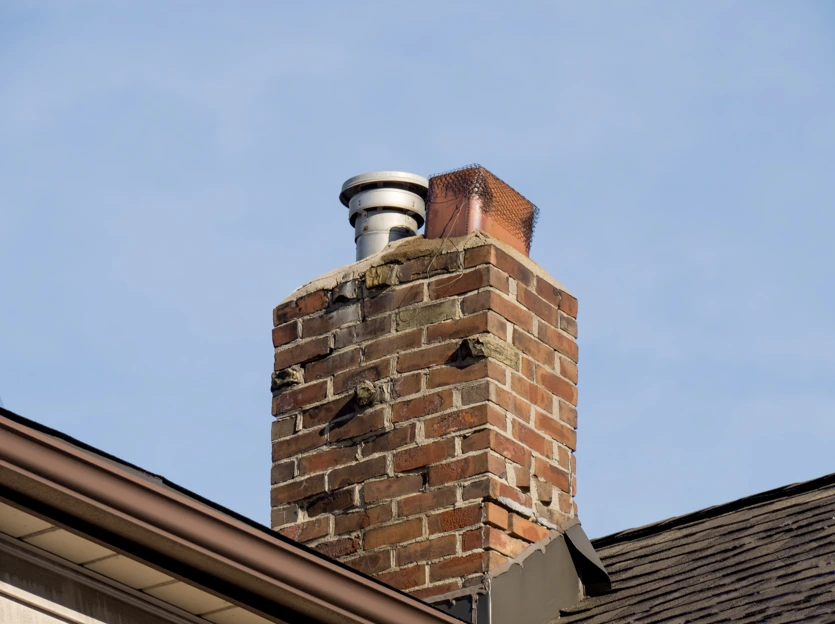
- Check the bricks and mortar for cracks, gaps, or missing pieces. If the mortar is crumbling, water can seep in.
- Look at the chimney crown, the cement top that keeps rain out. Check for any cracks or chips.
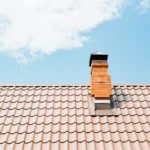
- Make sure the cap is secure. It keeps out rain, leaves, and animals. Missing or bent caps are common problems.
- Check if the chimney is leaning. It should stand straight; any tilt could indicate a serious structural issue.
- Look for white stains on the bricks. This stain, called efflorescence, indicates that water is getting in.
- Check the flashing, the metal strip where the chimney meets the roof. Rust, gaps, or loose areas can allow water to leak inside.
Do not climb onto the roof unless you are trained. Use binoculars from the ground or look from a window instead.
Inside the House
Next, check the fireplace and the area around it inside your home.
- Open the damper and look up. It should move easily and close tightly. If it is stuck, it can affect the draft and waste heat.
- Shine a flashlight up the flue and look for thick, shiny, or flaky black buildup. This is creosote, and a heavy layer indicates it is time to clean.
- Inspect for nests or debris, such as twigs, leaves, or feathers, which could indicate an animal’s presence.
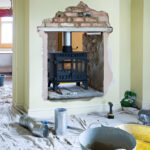
- Look at the firebox and check the bricks and mortar inside for cracks or loose pieces.
- Smell the air. A strong smoky or musty odor can indicate a draft or a moisture problem.
- Water stains on the walls or ceiling near the chimney may indicate a leak above the chimney.
This checklist helps you understand your chimney’s condition. A professional inspection goes deeper, but your own check lets you know when it is time to call for help.
Common Problems to Watch For
Even careful homeowners can overlook hidden problems. Here are the most common ones to watch for.
- Creosote buildup is the primary fire risk. The more you use your fireplace, the faster it accumulates. A thick layer requires professional cleaning, not just a quick brush.
- Blockages. Birds, squirrels, and leaves can partially or fully block the flue. A blocked chimney pushes smoke and gas back into your home instead of venting them out.
- Cracks in the flue liner. The liner protects your house from heat. Cracks are hard to see from below and often require a camera to detect.
- Water damage is a major problem for chimneys. Over time, water erodes brick, mortar, and metal components. Detecting leaks early can prevent costly repairs.
- Draft problems. If smoke drifts into the room instead of rising, the draft is off. This can be caused by a blockage, a closed damper, or even pressure changes in the home.
Also Read: Top Signs Your Chimney Needs Waterproofing Immediately
What You Can Handle and When to Call a Pro?
You can inspect the chimney from a safe spot, test your alarms, and watch for smoke or unusual odors. Keep the area around the fireplace clear and burn only dry, seasoned wood to reduce creosote buildup.
However, some jobs are not safe to do on your own. Cleaning heavy creosote buildup, repairing the crown, sealing leaks, and inspecting the flue liner require specialized tools and training. Professionals use cameras to see inside areas you cannot reach and know the proper codes and safe repair methods.
If a repair involves the roof, the inside of the flue, or any area you cannot see clearly, call a trained chimney expert. Getting a yearly inspection from a certified professional is the best way to prevent problems.
Also Read: How Often Should You Get Your Chimney Swept?
Keep Your Home Safe With Bob’s Chimney
At Bob’s Chimney, our trained technicians handle everything from quick safety checks to full repairs. Our experts use cameras and the right tools to inspect areas homeowners cannot reach. We offer chimney cleaning, repair, replacement, and comprehensive safety checks before the cold season begins.
If your checklist flagged anything concerning, or if it has been over a year since your last inspection, now is a great time to schedule a visit. Contact us today to have our team give your chimney a thorough check.