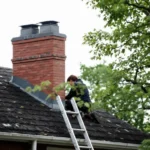
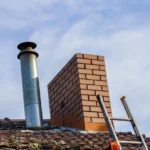
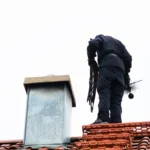
Almost every house with a fireplace has a chimney. Why? Because they vent out harmful combustion gasses from your fireplace.
While chimneys are a very useful thing for most houses, there are a lot of misconceptions associated with them that need to be addressed.
As much as a chimney system is required during the winter, it is also essential to maintain and clean that system. Though it looks very robust, people keep using it year after year without batting an eye at whether it’s clean or not. This can make it a huge hazard for families living in houses like that.
This blog covers all the details about what chimney maintenance includes and what chimney sweeping is all about.
What is the Structure of a Chimney and How Does it Work?
Let’s first see how a chimney works and what parts are combined to make a proper chimney.
Firebox:
This is the part of the chimney where the fuel wood, smoke, and gases enter.
Throat and Damper:
The throat is the narrow part above the firebox. It has a metal flap inside, known as the damper. Opening it causes the smoke to travel, though you should turn it off when it’s not in use to prevent cold air from entering.
Smoke Chamber and Shelf:
The smoke chamber resides right above the throat, which guides the smoke evenly through the flue of the chimney. A shelf is something that sits beneath the firebox, stopping rainwater and debris from falling into it.
Chimney Flue:
This is a vertical passage, a tube-like structure, which helps release gases and smoke outside.
Chimney Cap and Crown:
The cap is the metal or brick part at the top, which prevents rain, debris, or even animals and rodents from entering. The crown exists right under the cap, which diverts moisture to keep the brickwork long-lasting.
Air Flow Path:
When the fuel is burnt, the warm air, like smoke and gases, moves upward and escapes through the top of the chimney. In case the chimney is not maintained or is dirty, the smoke can fill the room instead of escaping.
Why is a Yearly Chimney Sweep Crucial?
Let’s start by addressing the elephant in the room first. The hazards that an unclean chimney brings are immense and highly dangerous. A regular chimney sweep:
Protects you from falling victim to carbon monoxide poisoning
According to CDC, every year in America many people end up in the ER due to carbon monoxide poisoning.
When wood is burnt in an unclean chimney, it does not allow all the combustion gases to escape s out completely. They spread into your house through the night, when chimneys are usually more active.
The fact that carbon monoxide is a colorless odorless gas means that the victims typically do not know about its presence, and when they do, it’s usually too late.
With clean chimneys, there are minimal to zero chances of such situation happening. To prevent this, you can also add carbon monoxide detectors in the house.
Keeps your house safe from chimney fires
According to NFPA, thousands of houses across the US face house fires due to negligence in maintaining their chimney.
What essentially happens is that years of burning wood in the chimney cause dense smoke and soot to get stuck on the walls. It can easily ignite in contact with heat and cause a massive fire, possibly burning down the entire house.
With regular chimney sweeps, there will be no accumulated soot in your flue. No soot means nothing that can lead to such dangerous fires.
Enhance fireplace efficiency:
Yearly chimney sweep enhances the life of the chimney. It prevents wear and tear by catching smaller problems early on. This enhances the efficiency of the chimney itself.
A clean chimney means better air flow. Fuel, such as wood or coal burns more efficiently, causing better heating and less heating bills.
Saves you from legalities and insurance problems due to unmaintained chimneys:
Some companies in the US would not let you claim insurance in case of a fire if your chimney was proven to be unclean or not doing maintenance as the cause of the fire. Always remember a clean chimney is a safe chimney.
Common Causes of Chimney Blockage and Buildup
Creosote
It is a type of chemical that slowly starts to accumulate in the flue of the chimney due to constant burning of wood. It can block the air flow if you don’t clean your chimney.
Animals and Birds
This type of chimney blockage usually occurs in chimneys with no proper cap. This causes animals like pigeons, squirrels, and other animals to nest on top of those chimneys. It blocks the smoke from being released outside and potentially causes buildup as well.
Leaves and Debris
If your house is near a place that has dense vegetation or a dusty environment, it can also cause your chimney to be blocked by leaves, twigs, and dust flying inside the chimney with the wind. This reduces the drawing effect of the chimney, causing the smoke to fill up inside the room instead of going up the flue.
Also Read: Warning Signs Your Chimney Needs Cleaning
Signs to Look for if you Think your Chimney Needs Maintenance:
Maintenance signs of chimneys are usually very noticeable, and when they show up, you will know it’s time for the yearly chimney sweep.
Some of these signs include.
- Creosote buildup
- Smoke is entering the house
- Deteriorating mortar joints
- Broken bricks
- Difficulty in starting a good fire.
Make sure to schedule maintenance services as quickly as possible when these signs start to show up for the safety of your house and family.
How Does a Professional Chimney Sweep Service Help You?
A professional chimney sweep is a systematic cleaning and inspection process that includes various steps and a thorough inspection for cleaning and safety. Its purpose includes the removal of soot, creosote, and the cleaning of debris to make it safe and efficient for use.
It’s best if this is done by trained professionals who follow NFPA (National Fire Protection Association) and CSIA (Chimney Safety Institute of America) safety standards. The tools used by the professionals are highly efficient and helps them make sure no vulnerability is left behind.
Tools Used for Chimney Sweeping
Rods and Brushes: Flexible rods with nylon brushes.
High-performance Vacuums: These are used to suck soot and other smaller debris.
Drop Cloths: This is a piece of cloth used to catch soot dust and debris, so they do not fall all over the carpet and furniture.
Protective Gear: Gloves, masks, and googles are used to keep the work area clean and safe for everyone.
Step-by-Step Cleaning Process of a Professional Chimney Sweep
Step 1: Initial Inspection:
Visually look for problems in the chimney by thoroughly checking it.
Step 2: Setting up Protection:
Protective gear, such as a drop cloth, is set up to keep the rest of the house protected from debris, dust, and soot.
Step 3: Brushing the Flue
Using the right tools, the flue is brushed to remove soot and creosote.
Step 4: Vacuuming and Debris Removal
Using high-performance vacuums, debris and soot are vacuumed without spreading any smoke and dust.
Step 5: Final Inspection
Final chimney inspection is done by using cameras and flashlights to make sure no debris or structural problems exist anymore.
Step 6: Clean and Report
After the final inspection, the homeowner is given the report of before and after conditions of the chimney.
With these steps, the professionals make sure every chimney is safe to use and is working at maximum efficiency.
Levels of Chimney Inspection given by CSIA & NFPA 211 Standards
Level 1: Basic Inspection
Use Case: For routine inspections
What it consists of: A visual inspection of accessible areas, checking for structural integrity, obstructions, and combustible deposits.
Level 2: Thorough Inspection
Use Case: Required for a real estate transaction, after a chimney fire or weather damage, or when installing a new appliance.
What it consists of: Includes everything covered Level 1 inspection plus a more detailed assessment, such as performing a video scan of the flue and inspecting areas like the attic and basement if they are in reach.
Level 3: Destructive Inspection
Use case: When a Level 1 or 2 inspection reveals a potential hidden hazard that requires access to typically inaccessible areas through non-destructive means.
What it consists of: Involves removing parts of the chimney or building structure, such as opening walls, to address the issue.
How Many Times a Year Should You Clean Your Chimney?
It is essential to clean the chimney at least once per year, usually before the start of the burning season in the fall. Cleaning during this season is helpful as it removes all older buildup, and your chimney will be ready to use for the rest of the season efficiently.
If a person uses a wood-burning stove or chimney, it should be cleaned twice a year. Once when the season starts, and once in the middle of the season, because wood usually makes more creosote.
Gas fireplaces are thought to be low maintenance by people, but the fact is, they also need a thorough inspection every year to make sure there is no blockage in gas lines and the ignition system.
Small and Easy Tips to Follow so Your Chimney Stays Safe All Year after Cleaning
- One must only burn seasoned hardwood, which means the wood that is completely dry and cured. If it is wet or damp, it creates more smoke and is hard to burn, which creates soot buildup in the chimney.
- Always keep the damper closed when not in use to keep unwanted dust, debris, or air flow out. This small habit can help you increase the efficiency of your chimney substantially.
- Frequent inspections for cracks on exterior and interior walls are very important and go a long way in keeping the chimney working properly. Make sure the chimney has a proper metal or brick cap to keep it safe.
- Lastly, always keep a record of previous chimney sweeping services taken. This maintenance history is very important for future inspections and helpful in ensuring safety
How to Prepare for a Chimney Sweeping Service?
- Remove previously existing ash and logs from the firebox.
- Keep your pets away from the inspection area.
- Make sure the technician can access your areas, like your rooftop or where the head of the chimney is or is to be placed.
- Most importantly, always ask about certification and report format.
Frequently Asked Questions (FAQ)
Q: What is the best way to clean the chimney, start at the top or bottom?
A: The top-down approach is the standard approach of professionals. It starts by cleaning from the cap of the chimney down the flue and then the firebox. It’s very effective and makes a smaller mess if appropriately done with the help of a drop cloth and high-performance vacuums.
The bottom method is used as a DIY alternative to clean chimneys, which typically creates a mess, as reaching the flue from the bottom is hard and makes the soot fall down directly while cleaning.
Q: How long after burning wood can I sweep my chimney if I used it recently?
A: Although there is no fixed time limit to how long after burning wood you should clean your chimney, you should ensure the chimney is not warm due to recent use. This is because it makes the soot and buildup soft, causing it to smear if you try to clean it when warm.
Q: What kind of chimney services do professional chimney sweepers provide?
A: Professional sweepers like Bob’s Chimney provide a wide range of services, including
- Chimney repair
- Chimney rebuilding
- Fireplace repair
- Chimney crown repair
- Fireplace rebuild
- Chimney cap installation
- Chimney liner installation
- Chimney waterproofing
Although it is always best to visit our site and check our services in detail
Make sure your home is safe and cozy this winter. Schedule your professional chimney sweeping and inspection with Bob’s Chimney right now and feel the warmth of a safe and secure home to nurture your precious family this winter.
Visit our site, Bob’s Chimney, and book your appointment today, or just give a phone call.