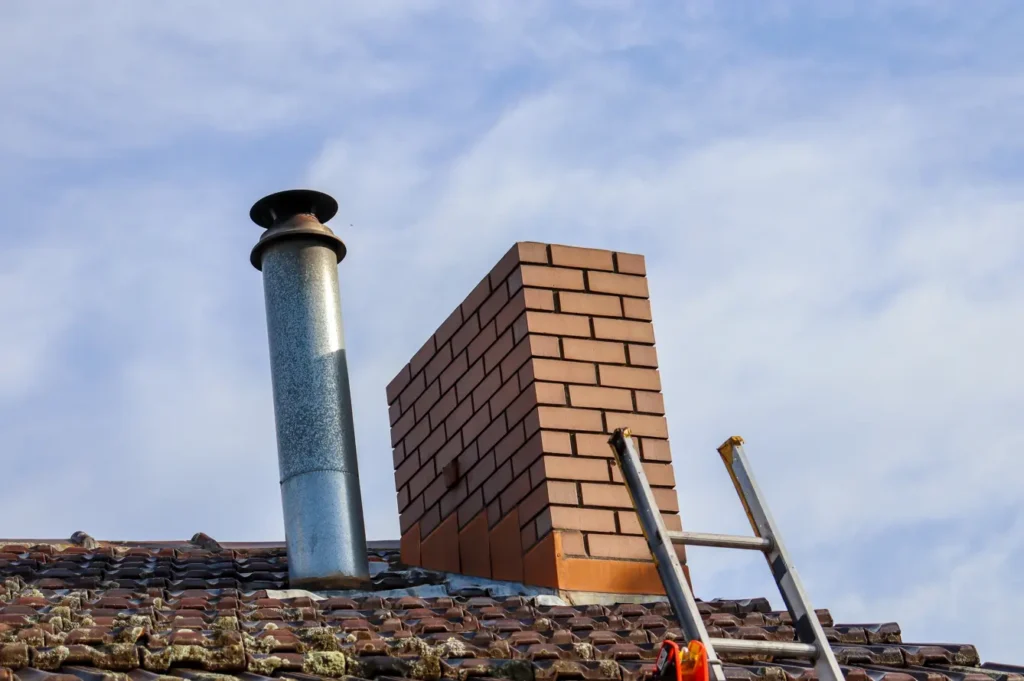

A chimney is more than a vertical structure attached to your home; it is a vital system designed to safely direct smoke, heat, and harmful gases outside. Choosing the right types of chimneys and maintaining them properly can significantly impact your home’s safety, energy efficiency, and long-term repair costs. Whether you rely on wood, gas, or modern heating systems, regular chimney services play a critical role in keeping everything running smoothly.
In this blog, we will discuss the most common chimney types found in residential homes and offer clear, practical maintenance advice for each one.
Masonry Chimneys: Traditional Strength with Ongoing Care Needs
Masonry chimneys are built from brick, stone, or concrete blocks and are often associated with classic fireplaces. These chimneys are strong and visually appealing, but they are also the most vulnerable to weather damage.
Because masonry is porous, moisture can seep in through cracks in the mortar or crown. Over time, this leads to weakened joints, spalling bricks, and structural instability.
How to Maintain a Masonry Chimney
- Inspect mortar joints at least once a year
- Repair cracks before they allow water intrusion
- Seal the chimney crown to prevent moisture damage
- Watch for white staining on bricks, which indicates water issues
- Schedule professional chimney services for cleaning and inspections
Routine maintenance helps masonry chimneys last for decades without major repairs.
Metal Chimneys: Lightweight and Efficient for Modern Homes
Metal chimneys are commonly used with newer heating systems, including furnaces and wood stoves. They are typically made from stainless steel or galvanized steel and are lighter than masonry chimneys.
Although metal chimneys are easier to install, they are not maintenance-free. Exposure to heat and condensation can cause corrosion if ignored.
How to Maintain a Metal Chimney
- Check for rust, corrosion, or loose joints
- Inspect insulation layers for damage
- Ensure roof flashing is sealed properly
- Clean the flue regularly to avoid buildup
Metal chimneys perform best when small issues are addressed early.
Factory-Built Chimneys: Designed for Convenience
Factory-built chimneys are manufactured as complete systems and assembled on-site. They are commonly used with fireplaces, stoves, and heating appliances and are tested for safety before installation.
While these chimneys are designed for efficiency, improper installation or neglected maintenance can reduce their lifespan.
How to Maintain a Factory-Built Chimney
- Ensure chimney sections remain tightly connected
- Inspect fire stops and clearance areas around floors and ceilings
- Check the chimney cap for blockages
- Use chimney services for periodic safety inspections
Staying proactive ensures factory-built systems continue to meet safety standards.
Also Read: Chimney Repair vs Chimney Replacement
Wood-Burning Chimneys: Powerful Heat with Higher Risk
Wood-burning chimneys handle high temperatures and heavy smoke output. As a result, they are prone to creosote buildup, a thick, flammable residue that forms when wood doesn’t burn completely.
Creosote accumulation is one of the leading causes of chimney fires.
How to Maintain a Wood-Burning Chimney
- Schedule annual chimney cleanings
- Burn seasoned, dry wood only
- Avoid slow-burning fires that produce excess smoke
- Install a chimney cap to block debris and animals
Consistent cleaning is not optional for wood-burning systems; it’s essential for safety.
Gas Chimneys: Cleaner Fuel but Hidden Dangers
Gas chimneys vent exhaust from gas fireplaces, boilers, and water heaters. Although gas burns cleaner than wood, it produces acidic condensation that can corrode metal liners and flues over time.
Improper venting can also lead to carbon monoxide buildup, making inspections critical.
How to Maintain a Gas Chimney
- Inspect for corrosion or liner damage
- Ensure vents are properly connected and sealed
- Check airflow to confirm proper drafting
- Schedule annual chimney services for safety checks
Gas chimneys require professional attention even if they appear problem-free.
Electric Chimneys: Low Maintenance but Still Worth Monitoring
Electric fireplaces do not require traditional venting systems, but many homes include decorative chimney structures or enclosures for aesthetic purposes.
While they don’t deal with smoke or gases, basic maintenance still matters.
How to Maintain an Electric Chimney
- Keep vents free of dust
- Inspect electrical connections periodically
- Follow manufacturer guidelines
These systems are low-risk, but neglect can still lead to performance issues.
Chimney Caps and Crowns: Small Components with Big Impact
Regardless of the type of chimney, caps and crowns protect the entire structure from rain, animals, and debris. Damage to these parts often leads to interior chimney deterioration.
Maintenance Best Practices
- Inspect chimney caps for rust or displacement
- Repair cracks in the crown immediately
- Replace damaged caps to prevent water entry
Many costly chimney repairs begin with ignored caps or crowns.
General Chimney Maintenance Tips for All Homes
No matter which chimney type you have, these universal rules apply:
- Schedule annual inspections
- Address minor damage promptly
- Keep the roof area around the chimney clear
- Use professional chimney services instead of relying solely on DIY checks
Preventive maintenance is always more affordable than emergency repairs.
Why Professional Chimney Services Are Essential?
While homeowners can spot visible issues, many chimney problems develop internally. Professional chimney services include detailed inspections, proper cleaning, and early detection of structural or venting concerns. These services help ensure your chimney complies with safety standards and performs efficiently throughout the year.
If you need professional chimney services, Contact Bob’s Chimney. We provide complete services, including chimney repair, sweep, and maintenance. Call us for more details.