Water has a way of finding the smallest gap in a building, and the chimney flashing is one of the first places it tries to push through. If you manage a commercial property or own a building with a chimney, ignoring a damaged flashing can turn a small drip into a major roof, wall, and ceiling problem within weeks. Catching the warning signs early gives you a chance to book chimney flashing repair before the bill grows from a few hundred dollars to several thousand.
What is The Function of Chimney Flashing?
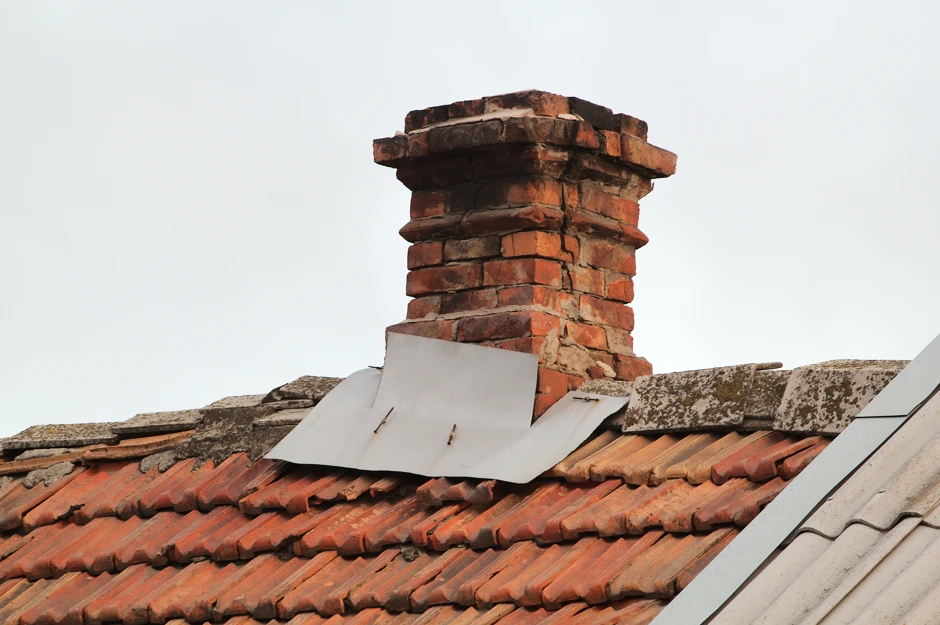
Chimney flashing is the thin layer of metal, often aluminum, copper, or galvanized steel, that seals the joint where the chimney meets the roofline. It works in two parts. The base flashing tucks under the shingles around the chimney, while the counter flashing presses against the brick or stone above it. Together, they push rainwater, melted snow, and ice away from the gap so nothing soaks into the roof deck below.
When this metal layer fails, water finds the path straight into the attic, the framing, and the rooms below. For a commercial building, that can mean stained ceilings, soaked insulation, ruined drywall, and a forced shutdown of the affected area until the work finishes.
When Your Flashing Needs Repair Right Now?
Some signs are obvious from the ground, while others only show up after the damage has already started inside the structure. Watch for the following warnings on your property.
Water Stains on Ceilings or Walls Near the Chimney
The first hint of flashing trouble often shows as a brown or yellow ring on the ceiling near where the chimney passes through the floor above. The stain may look small at first, but moisture has likely been working for weeks before the ring appeared. In a commercial setting, this means hidden damage to drywall, insulation, and sometimes the electrical wiring running through the roof cavity.
Visible Rust or Corrosion on the Metal
A short look from the ground with binoculars can show rust running down the flashing or onto the chimney brick face. Galvanized steel flashing has a service life of about 20 to 30 years, but Northeast winters, road salt in the air, and freeze-thaw cycles cut that lifespan short. Once rust eats through, water passes through the gap with no resistance.
Loose, Lifted, or Missing Flashing Pieces
Storms across the Northeast bring strong winds that pull at the flashing edges every season. A piece of counter flashing that has lifted away from the chimney brick is a clear sign of failure. Sometimes the metal is gone in places, and you can see daylight through the joint when you look up from below. Booking a chimney inspection confirms the extent of the damage and what needs full replacement.
Damp or Discolored Masonry Around the Chimney Base
The bricks right next to the flashing often show damage before the metal itself does. Look for dark, damp patches, white streaks called efflorescence, or crumbling mortar between the bricks. These signs point to water that has been pooling at the joint and working into the brick. Left alone, the moisture freezes in winter, expands, and breaks the masonry apart from the inside.
Damaged or Missing Shingles Around the Chimney
Shingles that have curled, cracked, or lifted near the chimney often show that water has been working under them. The flashing channels water away from this exact spot, so damage to nearby shingles points back to a flashing problem. Replacing the shingles without fixing the flashing means the same damage returns within a year.
Musty Smell or Mold Growth on Upper Floors
A musty smell in the attic, top-floor offices, or guest rooms below the chimney often comes from slow water leaks through failed flashing. Mold can grow on wood framing, insulation, and drywall behind the walls without ever showing a visible stain. For commercial buildings with offices, hotels, restaurants, or banquet halls, this becomes a health code concern within weeks.
Also Read: Signs Your Chimney Flashing Needs Immediate Repair
What Happens if You Wait Too Long?
A small flashing failure costs about $300 to $800 to fix in most cases. Wait six months, and the same small problem can grow into much bigger work:
- Roof deck rot that needs full sheathing replacement
- Stained ceiling, drywall, and ruined paint across multiple rooms
- Wet insulation that loses its R-value and raises heating costs
- Mold remediation work can run $2,500 or higher per area
- Damage to the chimney crown, masonry, and structural framing
- Forced closure of guest rooms, dining areas, or office space
According to industry data from the National Roofing Contractors Association, water-related repairs account for roughly 40% of all commercial roof claims, and chimney flashing failures sit near the top of that list. You can review industry guidance through the NRCA member resources.
Why Commercial Properties Cannot Delay the Fix?
For a restaurant, hotel, lodge, or office building, a leak above the chimney is more than a maintenance ticket on the work board. It puts customer experience, staff safety, and property value at risk at the same time. A guest who sees a ceiling stain often writes a public review before checking out. An insurance adjuster who finds an unreported leak may push back on a future claim filing. And a single soaked ceiling tile in a kitchen can shut down service until a health inspection passes again.
Booking timely chimney waterproofing along with the flashing repair gives the chimney a second line of defense against driving rain and heavy snow. Many property owners pair the two services to extend the life of the masonry and the new flashing at the same time.
How Often Should You Check Your Chimney Flashing?
Twice a year is the standard for most buildings. A check in early spring catches damage from winter ice and snow, and a check in early fall confirms the flashing is ready for the next cold stretch. After any heavy storm, hailstorm, or windstorm over 50 mph, a quick visual check from the ground saves you from finding a leak weeks later inside the building. For older properties with flashing past the 20-year mark, a closer look once a year by a chimney technician is the safer route to take.
Book Chimney Flashing Repair with Bob’s Chimney
A small piece of failing metal on the roof does not stay small for long. Every rain, every snowfall, and every freeze cycle pushes more water into the building, and by the time the stain shows on the ceiling, the damage behind the drywall is often weeks ahead of you already.
At Bob’s Chimney, we handle chimney flashing repair, full flashing replacements, and waterproofing work for commercial properties and homeowners across the area. Catch the warning signs while the fix is still simple. Reach out to and book a flashing check before the next storm puts the damage out of reach.