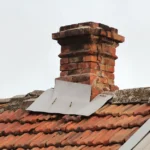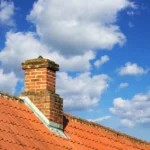
A chimney stands tall through every season. It faces heat, rain, wind, and freezing temperatures without any break. Over time, even the strongest masonry begins to wear down. The mortar between the bricks weakens first, and that is where repointing comes in. If you ignore those small cracks, they quietly turn into costly structural problems.
Many homeowners ask a simple question: how often should chimney repointing be done? The answer depends on several factors, not just time. Here is what really affects the lifespan of mortar, how to spot early warning signs, and when you should take action.
The Timeline for Chimney Repointing
In most cases, chimney repointing becomes necessary every 20 to 30 years. That range works as a general guideline, not a strict rule.
Some chimneys need attention sooner, especially if they face harsh weather or poor construction. Others may last longer if they receive regular maintenance and sit in milder climates.
Think of that 20 to 30 year range as a checkpoint rather than a deadline. You should start inspecting your chimney more closely as it approaches that age.
Weather Plays a Bigger Role Than You Think
Climate shapes how quickly mortar breaks down. If your chimney deals with frequent rain, snow, or freezing temperatures, it will likely need repointing sooner.
Water enters small cracks in the mortar. When temperatures drop, that water freezes and expands. This freeze-thaw cycle forces the mortar to crack further. Over time, entire sections begin to crumble.
On the other hand, dry climates slow down this process. Less moisture means less expansion and contraction. Even then, heat and sun exposure still cause gradual wear.
If you live in an area with extreme seasonal changes, you should not wait decades to inspect your chimney. Keep an eye on it every few years instead.
Also read: Top Signs Your Chimney Needs Immediate Repairs
Quality of Original Work Matters
Not all chimneys start on equal footing. The quality of the original mortar mix and workmanship directly affects how long it lasts.
If a builder used the wrong mortar type or rushed the job, deterioration can begin much earlier than expected. Poorly mixed mortar may crumble within 10 to 15 years. In contrast, high-quality work can push well beyond 30 years.
You may not know how your chimney was built, especially if you purchased an older home. That uncertainty makes regular inspections even more important.
Signs That Your Chimney Needs Repointing Sooner
Time alone does not dictate repointing. Your chimney will show clear signs when it needs attention. You just have to know what to look for.
You might notice mortar joints starting to crack or crumble. Sometimes, the mortar looks powdery or begins to fall out when you touch it. That is your first signal.
Another sign appears when gaps form between bricks. These gaps allow water to seep inside, which leads to further damage. You may also see white stains, known as efflorescence, on the brick surface. This indicates moisture movement within the structure.
In more serious cases, bricks may loosen or shift. At that point, the problem has moved beyond simple maintenance.
Here’s a simple way to think about it:
- If the mortar looks smooth and solid, your chimney still has time
- If the mortar feels soft or flaky, you should start planning repairs
- If the mortar is missing in spots, you need repointing soon
These signs speak louder than any timeline.
The Hidden Risk of Waiting Too Long
Delaying repointing creates a chain reaction. Once the mortar fails, water begins to infiltrate the chimney structure. That moisture damages bricks, rusts metal components, and weakens the overall stability.
You might end up needing more than repointing. Full chimney rebuilds or structural repairs cost far more and take longer to complete.
There is also a safety concern. A weakened chimney can lean or collapse in extreme cases. Even small pieces of falling masonry can cause injury or damage property.
Repointing acts as preventive care. It costs less and protects more when done at the right time.
Regular Inspections Make All the Difference
Instead of guessing when to repoint, rely on routine inspections. A yearly visual check helps you catch early signs of wear.
You can do a basic inspection yourself from the ground using binoculars. Look for cracks, missing mortar, or discoloration. However, a professional inspection provides a more accurate assessment, especially for higher or hard-to-reach areas.
A good rhythm to follow:
- Check your chimney once a year, ideally before winter
- Pay closer attention after storms or heavy rainfall
- Schedule a professional inspection every few years
This approach removes the guesswork and helps you act at the right moment.
The Difference Between Repointing and Other Repairs
Homeowners sometimes confuse repointing with other chimney repairs. It is important to know the difference because each solution serves a different purpose.
Repointing focuses only on mortar joints. It restores the binding material without replacing bricks. Tuckpointing, a similar process, improves the appearance by blending mortar colors.
If bricks themselves crack or break, you may need brick replacement. If the chimney structure leans or shifts, structural repair becomes necessary.
Understanding these differences helps you choose the right service at the right time.
Cost Considerations: Timing Affects Your Budget
Repointing costs vary based on chimney size, height, and damage level. However, one factor remains constant: early action saves money.
When you repoint at the first signs of wear, the job stays straightforward. Workers remove old mortar and apply new material without dealing with deeper issues.
If you wait too long, repairs become more complex. Damaged bricks need replacement, and water damage requires additional fixes. Labor time increases, and so does the final bill.
Think of repointing as an investment rather than an expense. It protects your home and prevents larger financial setbacks.
When Is the Best Time of Year to Repoint?
Timing within the year also matters. Repointing works best in mild weather conditions.
Spring and early fall usually provide ideal temperatures. The mortar sets properly without extreme heat or freezing conditions. Workers can complete the job more efficiently during these seasons.
Avoid scheduling repointing during heavy rain or freezing weather. Moisture and temperature swings can affect how well the new mortar cures.
Planning ahead allows you to choose the right season instead of rushing into repairs during an emergency.
If you need professional chimney repointing service, get in touch with Bob’s Chimney. We provide complete chimney services, including repointing, flashing repair, waterproofing, and much more. Call us now and let’s get started.